Why your resume isn't getting you an interview despite the use of AI
A recruiter's take on why AI-polished resumes still don't land interviews.

Cyber Headhunter
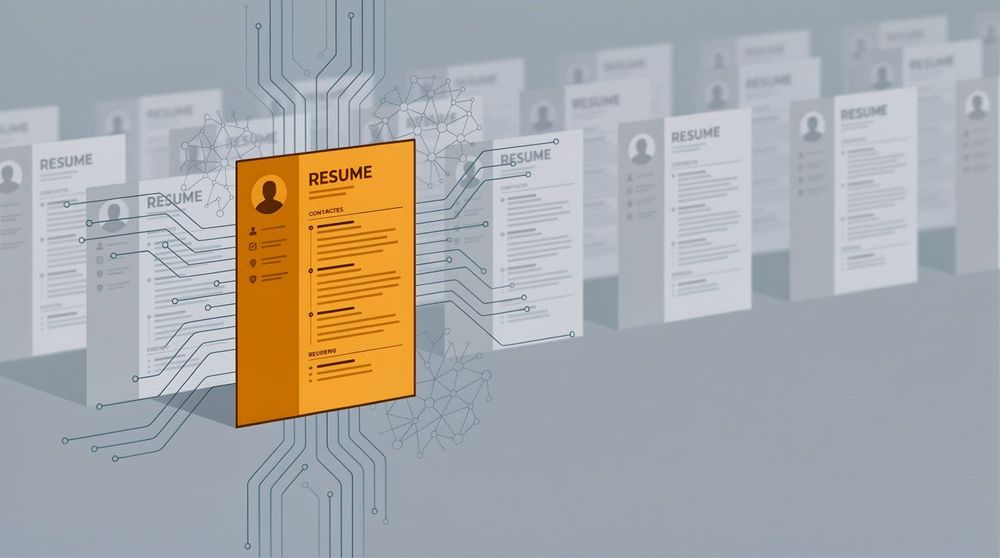
You have tried all ways - drafting a resume on your own, asking AI to modify it for you, and sometimes even getting AI to author it from scratch. Despite your best efforts, you have not secured an interview. In troubleshooting where the problem lies, you consider: your ways of writing, the Applicant Tracking Systems (ATS) not capturing your resume or that there are simply too many candidates who applied.
This article will uncover some areas of how best to use AI (or not) in your resume writing, why your resume has reached limbo state and the practical ways to escape this vicious cycle and nail that interview.
Use AI to polish, and not produce content
Guess what, if you’re asking AI to help create your resume, so are many other candidates. The lethal mistake is when your resume starts sounding similar to 200 other profiles because you were too caught up chasing that same universal “perfection”. Instead, recount the key responsibilities in your current role, special projects you were roped into, curveballs that you had to overcome (reduced budget, shortened timelines, understaffed teams) to hit your goals, and be as specific and quantifiable as possible when listing them. Use AI to then neaten your written points, augment domain-specific jargons with more universally relatable terms and structure the overall flow of your resume for optimal readability and engagement. This way, you sound less like the 50 other resumes AI is helping to craft, while retaining the achievements that uniquely spells You in a more articulate fashion.
Don’t just prompt AI, push it
AI is powerful, don’t get me wrong. It has so much data fed to them daily, they can provide valuable insights - and it is us humans that are sorely underusing it. Instead of prompting “Key Interview Questions To Prepare” or “Perfect My CV”, why not push it to the limit it was built for? Think about it, AI has distilled all the grave mistakes of past candidates and grievances of past interviewers - it’s a treasure trove of lessons waiting for you to learn from. Think in the shoes of your interviewer and use AI to galvanize your pitch - “What are questions a highly skeptical hiring manager would ask?”; “What about my resume might be called out for ambiguity?”. AI here is essentially your devil’s advocate, your most harrowing interview experience yet to come true, push it to its limit as such.
Tailor your resume to the JD (but not at all cost)
Similar to using AI to create your resume and sounding like the man on the street, the Achilles heel of prompting AI to “Tailor My Resume to the JD” is that your resume starts sounding like a list of R&Rs. AI can sometimes do an overly good job - customizing your experience too closely to the JD - that it obfuscates the hirer from knowing who you intrinsically are. That’s why I always tell my candidates to “NFT your experiences”. Where no 2 NFTs are alike, be intentional about setting yourself apart. Be proud of your differences and what makes you identifiably you. GitHub projects, research blogs, home lab setups, CTFs, conference talks - make a housekeeping list of everything relevant to your niche, and use AI to make it a good story of your self-made career journey and why it relates to the opportunity you are applying for. Your interviewer wants to know your strengths, how you learn and get good, and why they need to hire you, and not another person with an almost carbon copy resume.
Conclusion
The above 3 points are not exhaustive, as there will be more areas for us to improve and use AI more sensibly. These are purely sharing based on my own lived experiences speaking with candidates and hiring managers, their struggles, peeves and realizations. I for one struggled massively, and am proud to say this article was contributed 100% by my own reflections and not produced by AI in any way. I welcome any feedback and further discussions if you may have any other thoughts about the current talent landscape.