The Bencoolen Sprawl
A travelogue through Singapore’s accidental cyberpunk district
Cyberpunk Writer
“Nothing acquires quite as rapid or peculiar a patina of age as an imaginary future.” – William Gibson
The Streets Where Cyberpunk Lives
The first thing you notice about Bencoolen is that it doesn’t look like the future.
Not the glossy future of Marina Bay’s mirrored towers or the sanitized, algorithmically efficient Singapore of tourism brochures. Bencoolen is older, slightly worn at the edges, stitched together from decades of architectural experiments that never quite aligned. The street runs between Bugis and Bras Basah like a seam in the city’s fabric: hotels, temples, electronics malls, fortune-telling arcades, photocopy shops, gaming cafés, Buddhist vegetarian restaurants.
It feels less like a master-planned district and more like a layer cake of urban history.
And that is precisely why it feels cyberpunk.
Cyberpunk cities are rarely built intentionally. They emerge when systems collide: finance and crime, networks and rituals, code and myth. The genre’s founders—especially William Gibson—imagined sprawling megacities where global capital, black-market technology, and fringe spirituality all occupied the same few city blocks.
Standing on Bencoolen Street at night, you realize something unsettling.
That imagined future already exists here.
The Ghost of Gibson’s Singapore
Long before Singapore became a model smart city, it appeared in the mythology of cyberpunk.
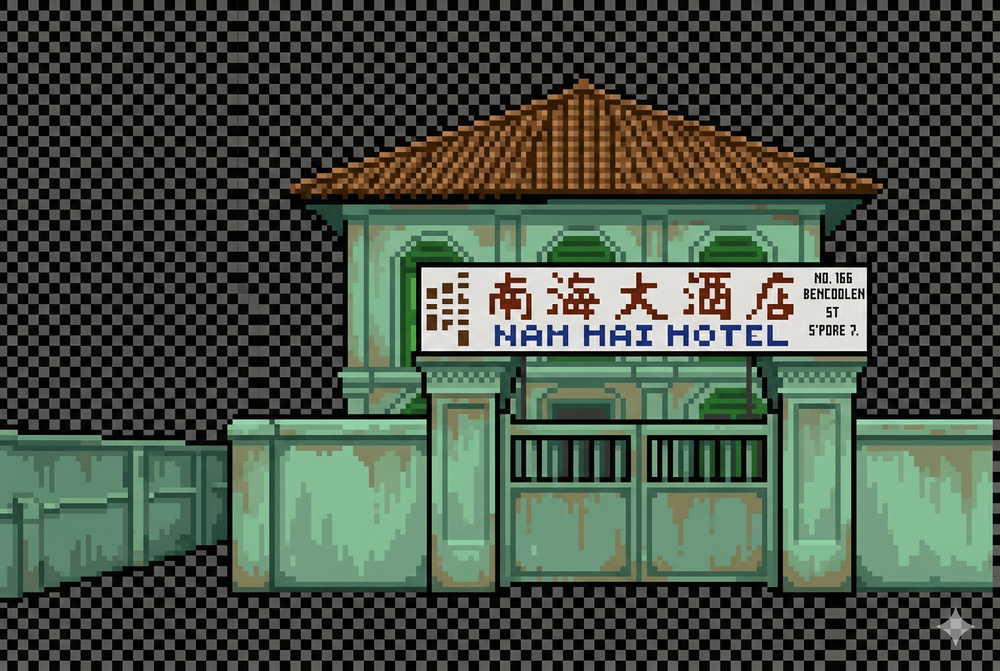
In Gibson’s short story Burning Chrome, one of the foundational texts of the genre, the narrative briefly references a place called the Nam Hai Hotel in Singapore
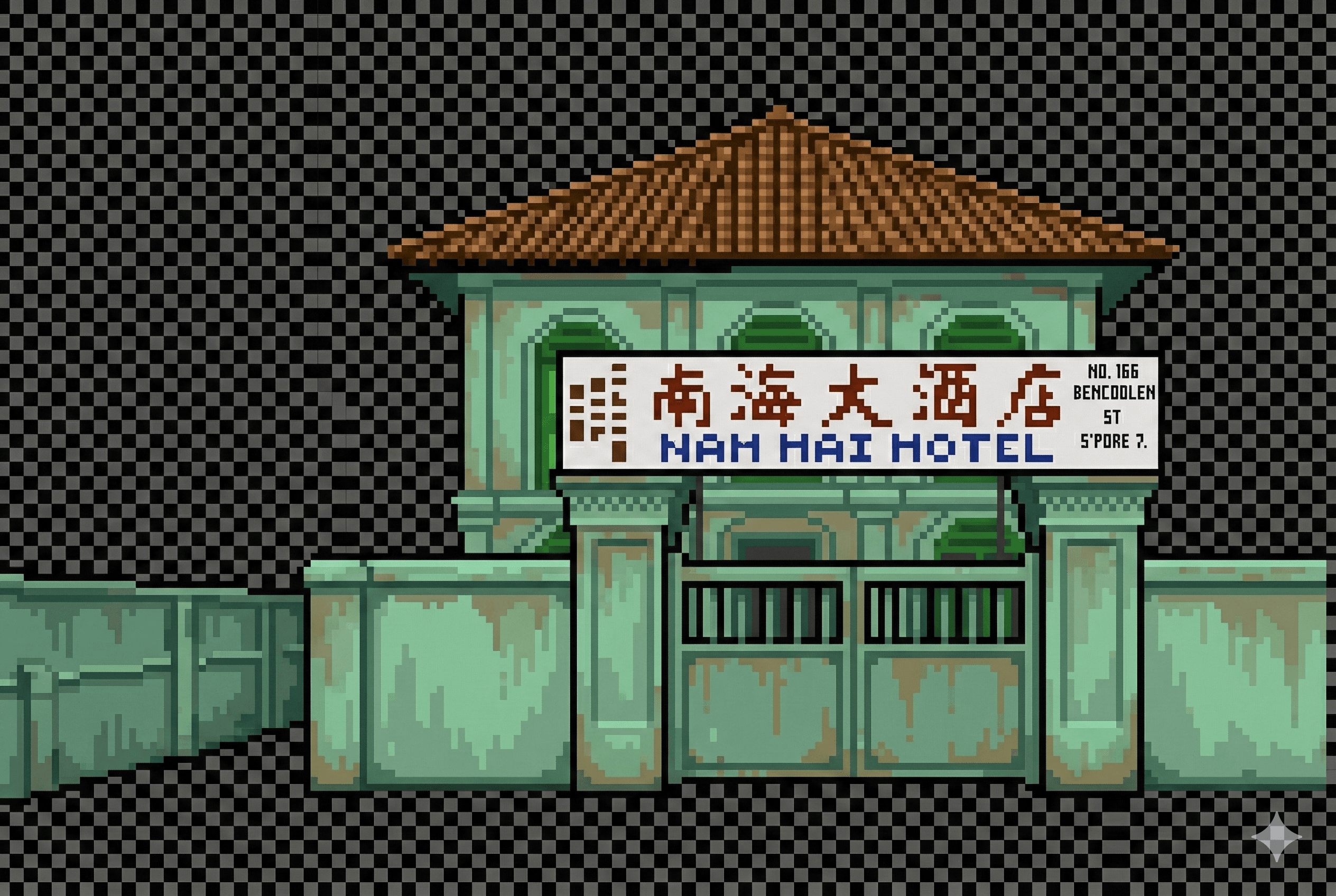 Fig. 1 - Pixel Art of the Historical Nan Hai Hotel located at 166 Bencoolen Street (image generation: Google Gemini Pro).
The reference lasts barely a sentence.
Yet it mattered.
In the early 1980s, Gibson’s imagination was constructing the The Sprawl, the Boston-Atlanta Metropolitan Axis—a continuous urban corridor where hackers, corporate mercenaries, and street dealers navigated neon-lit infrastructure.
Singapore appeared in that world as a distant node. A port city plugged into the global network.
What Gibson could not have predicted was how eerily close reality would eventually come to his fiction.
Singapore today is arguably the most networked city in Southeast Asia—dense with fibre, fintech, AI startups, digital identity experiments, and automated logistics. But the country’s cyberpunk qualities are not found in its financial district.
They are found here. On Bencoolen.
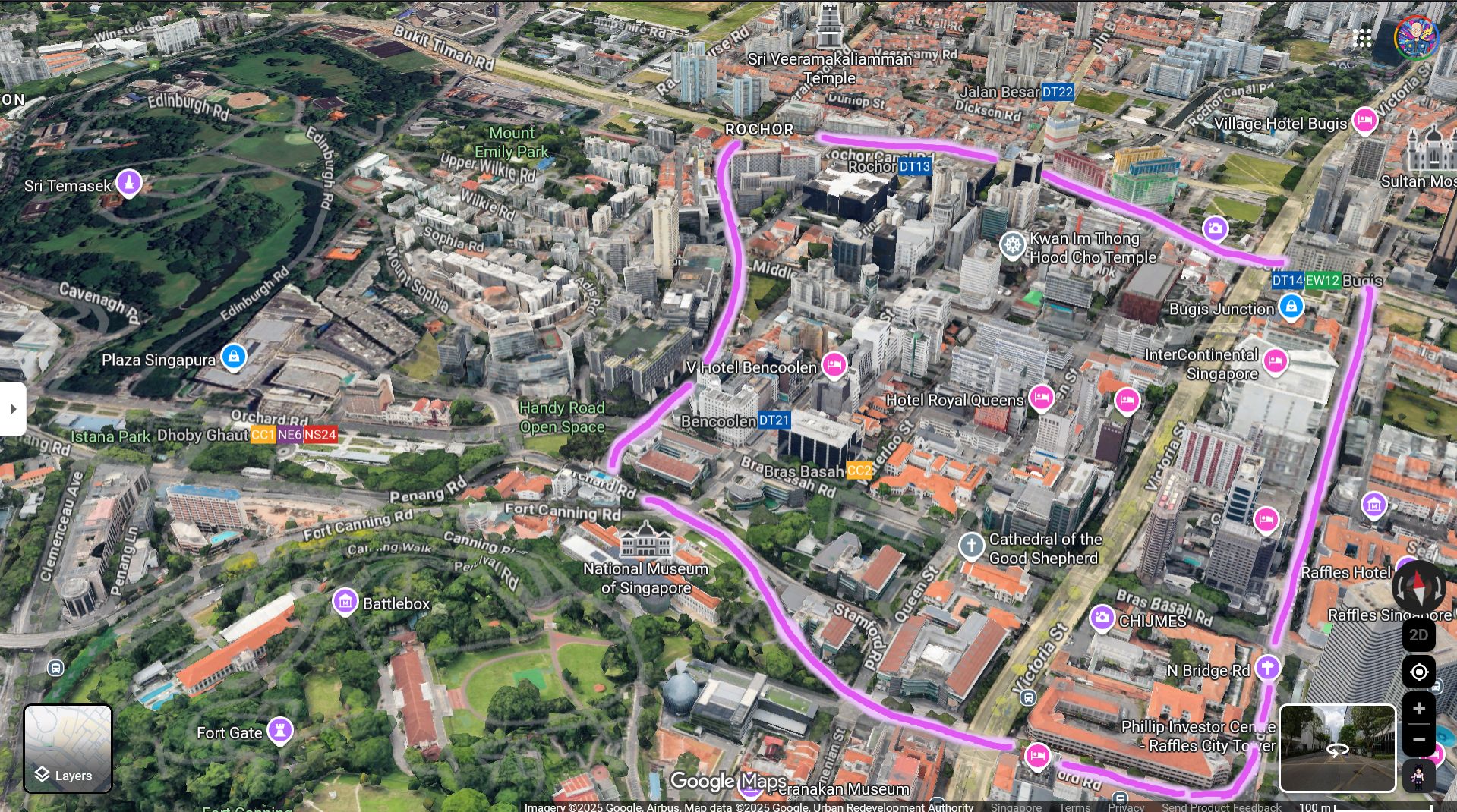 Fig. 2 - Approximate Cultural Boundary of Bencoolen District (source: Google Map dated 27 November 2025).
Sim Lim Square: The Hardware Bazaar of the Digital Age
Sim Lim Square is the closest thing Singapore has to a hardware black market.
It is not illegal—far from it—but it operates with a chaotic energy that feels alien in a country famous for order. Inside the building, dozens of small retailers compete in a labyrinth of glass counters and stacked cardboard boxes.
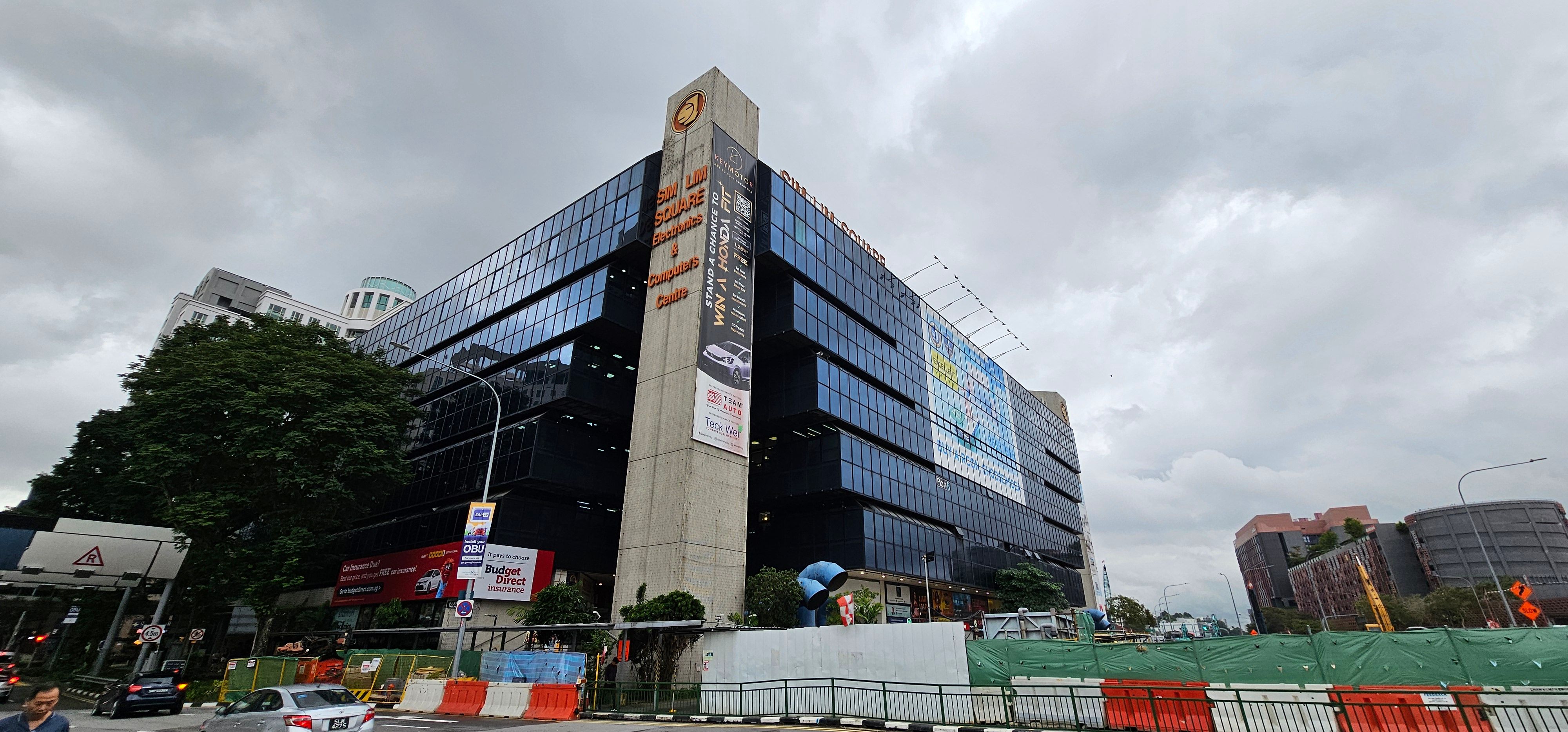 Fig. 3 - Sim Lim Square Electronics & Computer Centre (image taken 15 December 2025).
You can buy almost anything related to computing here: graphics cards, enterprise routers, used server racks, custom gaming rigs, surveillance equipment, obscure cables that look like they belong in a NASA lab.
It is a physical manifestation of the digital infrastructure we normally experience only through screens. And it has the vibe of a bazaar rather than a corporate showroom.
The smell is faintly metallic and electrical—warm plastic, solder, and dust from ventilation systems that have been humming since the 1990s. LED displays flash RGB colours across keyboards and GPU fans like dodgy miniature nightclubs.
A teenager negotiates the price of a graphics card.
A systems engineer compares SSD speeds.
Two middle-aged men discuss cryptocurrency mining rigs.
It feels like a scene Gibson might have written—if Gibson had spent an afternoon here. In cyberpunk fiction, hackers acquire hardware in shadowy alleyways.
In Singapore, they take the MRT to the Bencoolen district. On the Downtown Line, you alight at Rochor station which exits right next to the multi-strata mall.
The Vertical Street Market
Sim Lim Square’s design reinforces its strange energy. Unlike modern malls engineered for retail psychology, it resembles a vertical street market. Escalators spiral upward through five floors of stalls. Shops spill outward into corridors. Bargaining still happens.
The mall gained notoriety years ago for aggressive sales tactics, but in recent years it has stabilized into something far more interesting: a living archive of computing culture.
Some stores specialize in retro components.
Others in enterprise networking.
Some cater to gamers building machines powerful enough to simulate entire cities.
You could assemble a small data centre here if you wanted.
And perhaps someone already has.
Sim Lim Square embodies an essential cyberpunk principle: technology is most alive at the edges of regulation and creativity, where enthusiasts and tinkerers repurpose tools in ways the original designers never imagined.
It is not a corporate Apple Store. It is a garage laboratory.
Crossing the Street Into Magic
Walk ten minutes from Sim Lim Square and the atmosphere changes completely.
You cross Middle Road. Suddenly you are inside Fu Lu Shou Complex or Fortune Centre. If Sim Lim Square is the hardware market of the digital world, these buildings are the software layer of belief.
Here you find: Taoist ritual objects, Thai amulets, Buddhist prayer beads, feng shui consultations, palm readers, fortune tellers, voodoo-like protective charms and glass cabinets display talismans said to protect against bad luck, financial loss, or spiritual interference.
Incense smoke drifts through narrow corridors. You hear the soft clatter of wooden divination blocks. In one shop, a man studies a laptop while waiting for his fortune to be read.
The juxtaposition is perfect. Across the street: hardware acceleration and GPU benchmarking. Here: metaphysical debugging.
Ancient Technologies?
Science fiction often treats spirituality as obsolete.
Cyberpunk never did.
The genre understood something important: people do not abandon ancient belief systems simply because new technologies appear.
Instead, they layer them together.
In Gibson’s worlds, street hackers consult voodoo spirits represented as artificial intelligences. The same logic exists quietly in Bencoolen.
A programmer buys networking equipment at Sim Lim Square.
Then walks across the road to buy a protective amulet.
This is not contradiction.
It is redundancy. Humans trust multiple systems simultaneously.
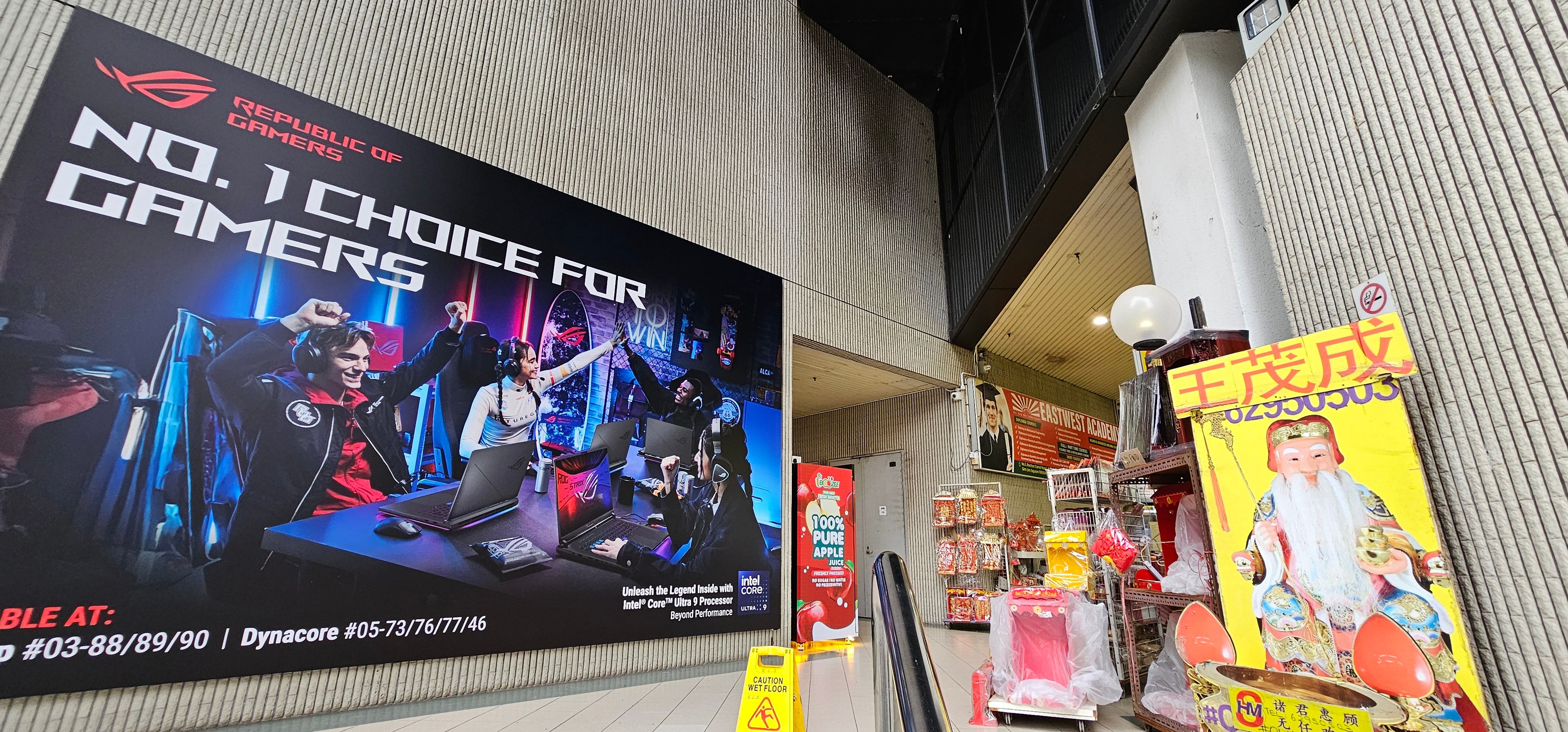 Fig. 4 - The Gaming Algorithm and the Oracle for Gaming: Southern Entrance to Sim Lim Square, right before the pedestrian crossing towards Fu Lu Shou Complex(image taken 15 December 2025).
The Algorithm and the Oracle
The deeper you explore Fu Lu Shou Complex, the more the cyberpunk logic becomes obvious. Fortune telling is, in a sense, a form of predictive analytics.
A practitioner gathers inputs: a Birthdate. A Chinese zodiac sign, palm lines and environmental cues. From these they generate probabilistic forecasts.
The methodology differs from machine learning. But the goal is strikingly similar.
Predict the future.
In Singapore’s Bencoolen district, the algorithm and the oracle coexist within a few hundred meters. A neural network predicts stock prices. A feng shui master predicts marriage prospects. Both claim insight into the unknown.
The Cyberpunk That Already Happened
Cyberpunk literature was often misread as prophecy. But it was really anthropology. Writers like Gibson observed emerging trends in the late 20th century: global trade networks, corporate power, underground computing culture, and the persistence of folklore.
They extrapolated forward. What they imagined as future speculation now exists quietly in pockets of the real world.
Bencoolen is one of those pockets.
The street compresses three layers of technological history: analogue spiritual systems thousands of years old, late-20th-century consumer computing markets , and 21st-century digital infrastructure.
All within walking distance.
The Singapore Twist
Singapore’s version of cyberpunk differs from the dystopias of Western fiction.
The infrastructure works. The trains arrive on time. Crime rates remain low. The chaos exists not in violence but in cultural overlap.
Here, order and improvisation coexist. It feels less like dystopia and more like hyper-organized strangeness.
Walking the Bencoolen Sprawl at Night
At night, the district changes again. Neon reflections shimmer on rain-wet pavement. Students exit nearby art schools. Gamers gather in cafés. Tourists wander between temples and electronics stores.
The architecture -- 1960s concrete hotels beside modern MRT entrances creates visual layers reminiscent of film noir science fiction.
It is easy to imagine a Gibson protagonist walking here: a freelance coder, a digital smuggler, a corporate data thief. But instead of dystopian despair, the mood is strangely calm.
Singapore’s cyberpunk is quieter.
A Conversation With a Shopkeeper
Inside Sim Lim Square, I ask a shopkeeper how long he has worked there.
“Since 1998,” he says.
That was the year Google was founded. Back then, he sold CD-ROM drives and Pentium processors. Now he sells GPUs powerful enough to train artificial intelligence models.
“Technology changes every five years,” he says. “But people still want the same thing.” “What’s that?”
“Faster.”
The same principle applies across the street.
A fortune teller explains that clients ask the same questions they asked decades ago – questions about money, love and health.
Different tools. Same anxieties.
Singapore’s Invisible Infrastructure
Walking back toward Bencoolen MRT station, you pass the fibre optic cables buried under sidewalks, wireless routers hidden inside ceilings, and the data flowing invisibly through the air.
Singapore’s digital infrastructure is among the most advanced in the world.
Yet the human layer—the part that makes cyberpunk interesting remains stubbornly analogue.
People still burn incense.
Still consult astrology.
Still search for luck.
Technology never replaces mythology. It simply adds new chapters.
The Accidental Cyberpunk District
No urban planner designed Bencoolen to be cyberpunk. It happened organically. Electronics retailers clustered around Sim Lim Square. Spiritual commerce clustered around Fu Lu Shou.
Hotels and budget hostels filled the gaps.
The MRT station added transit density.
The result is a strange ecosystem. A micro-district where hardware, software, and belief systems intersect.
Gibson’s Ghost Walks Here
If William Gibson visited Bencoolen today, he might recognize something familiar.
Not the skyscrapers.
Not the MRT.
But the logic of the street.
Cyberpunk cities are defined by friction between systems. Corporate power versus street innovation.
Digital networks versus ancient traditions. Technology versus mysticism.
Bencoolen contains all of them.
The Future of the Future
Urban districts rarely stay the same. Redevelopment pressures hover constantly in Singapore. One day Sim Lim Square may transform into luxury apartments. Fu Lu Shou Complex might become another office tower. But for now, the Bencoolen Sprawl remains intact.
A strange intersection of circuits and charms.
Silicon and incense.
Code and karma.
As you exit the MRT station, trains glide silently into underground tunnels. Passengers scroll through phones powered by processors more advanced than anything sold at Sim Lim Square a decade ago. The city above continues its efficient rhythm. But somewhere on Bencoolen Street, a different kind of Singapore persists.
A Singapore where cyberpunk never needed to be imagined. Because it already existed. Quietly. Between a computer mall and a fortune-telling arcade.
In the end, the real lesson of Bencoolen is this: The future rarely arrives as science fiction predicts. Instead it emerges in unexpected neighbourhoods, where technology and belief systems overlap in ways no urban planner ever intended. Sometimes the cyberpunk city isn’t a dystopian megapolis stretching across continents. Sometimes it’s just a few city blocks in Singapore. And if you walk those blocks slowly enough, you might notice something strange.
The Sprawl was never fictional.
You simply hadn’t looked closely enough yet.
END